A home security system is nothing complex. It is a basic activity of making your home safer and peaceful. We want to make your experience of living in your house more relaxing. Most of the time we are all tired of the office work and the housework we do all day. We are not only exhausted but frustrated. We can’t always stay hyperactive to notice the minimum movement inside or outside of the house. And of course, the burglar is never entering your home with a drum roll. Mishaps are unpleasant and cause panics. Home security systems minimize the loss to an extreme extent.
The question here is how? How a home security system is so efficient to protect us from mishaps? The answer to this is the components it has. There are several components of this system which participate effectively in making the atmosphere is secure and sound. Consult with your local locksmith or security expert such as www.ilocksecurity.com.au for further advice.
Basically, the entry points i.e. doors and windows are secured and connected to one master control panel located somewhere in the house. Most of the people have master control in their bedroom or their living room so that they may have quick access to it.
What makes up a Home Security System?
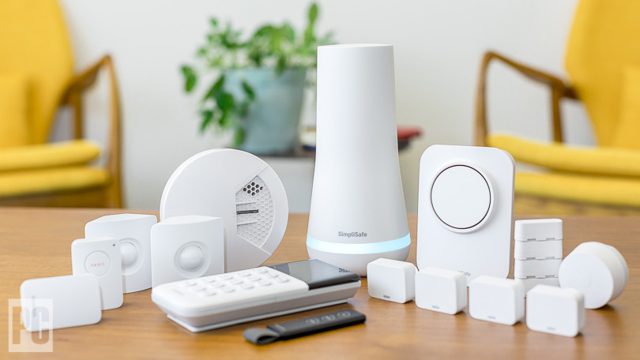
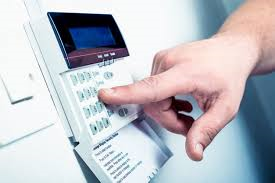
- Master control panel: The control panel is a touchpad programmed device that is responsible for activating and deactivating the alarm system. It is in contact with every sensor and every component of the system. It works on voice interpretations as well as a wireless remote to arm and disarms the system. Since a touchpad is also fed in it, a single touch is enough to make the alarm stop or start. All the installed components keep forwarding the respective monitored areas to it which can be checked by the owner from time to time.
- Window and door sensors: Both these areas are the only entries into the house. The sensor installed here comprises of two parts. One is installed on the sill or frame whereas the other one is installed on the window or door. When the door is closed the security circuit is complete confirming security. When the door or window is opened the circuit breaks sending a signal to the control panel ordering it to alarm. This way the entries into the house are safe. Whenever someone will try to sneak in you will know before they set their second foot into the house.
- Motion sensors: These sensors are tough in whatever their job is. Their sturdy construction and tolerance to temperature make it a favorite. They are useful in houses with a museum-like atmosphere. By that, we mean that some very precious statues, paintings, and shields, if showcased on a mantelpiece, need this kind of protection. They give a 360° check of the room. Their installation is pretty easy and they have a significant feature which helps them detect sunlight. This means they are activated after sunsets till sunrise. This feature helps in maintaining the long life of batteries.
- Surveillance cameras: This is nothing new. You see them all the time, every day and everywhere. They are useful when it comes to keeping an eye on distant areas of your property, remote areas such as your yard, garage, and poolside. Accessing them is quite easy. Be it computers, smartphones or tablets you can see the footage anywhere anytime. Those people who stay away from home for long durations find it very beneficial.
- Very loud alarms: A low decibel alarm is no alarm. Upon any unpleasant, even your neighbors and the surrounding area will know it for sure. Alarms cause panic. This sets an impact on burglars causing them to make wrong decisions and get caught ultimately.
 systems provide vivid support and security. Most of the people would not bat an eye when talked about the significance of home security systems. They think that they have better alternate options.